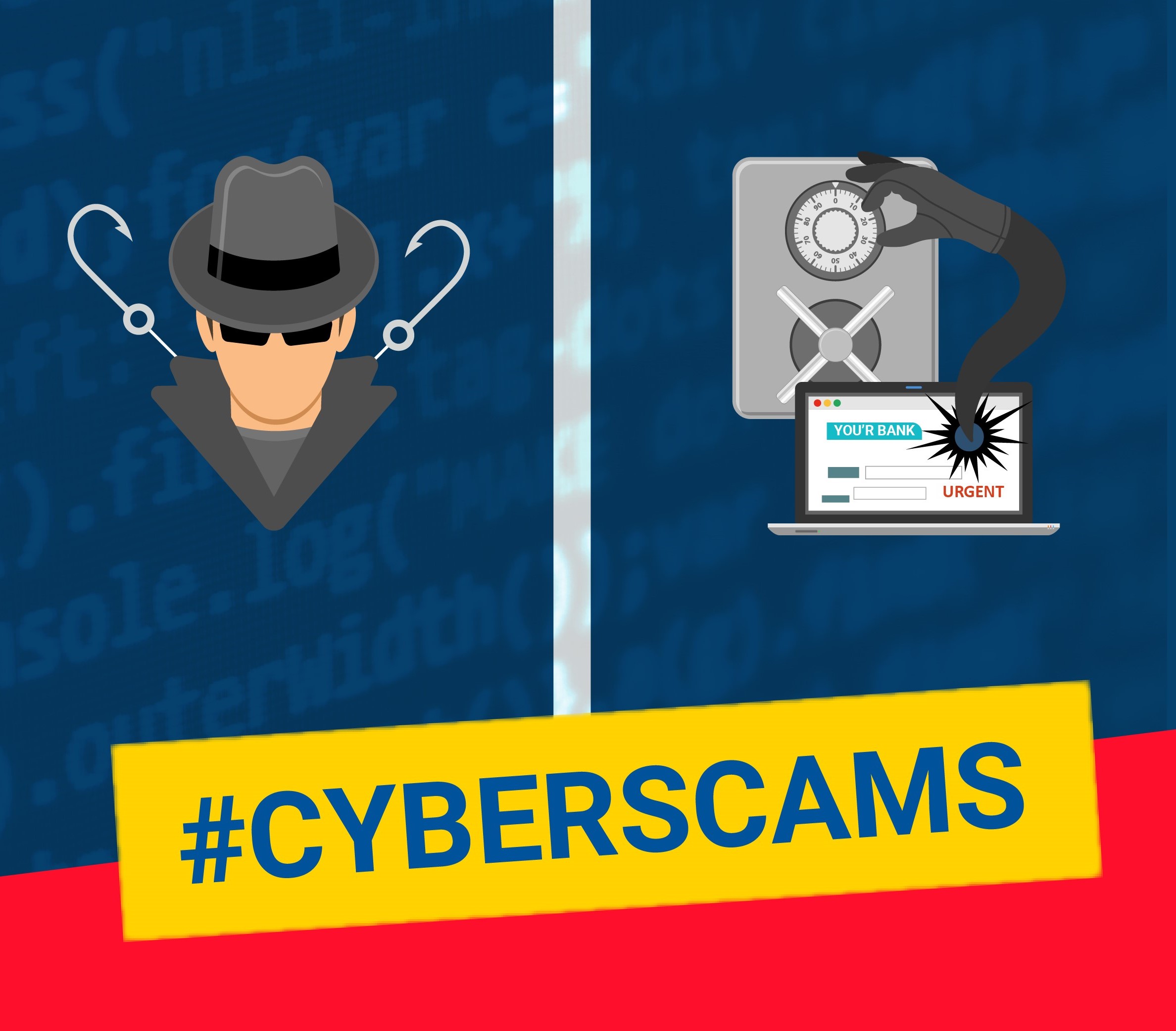
Fake job offers promise easy remote income, then push you to pay for “training”, “equipment”, or “activation”. Real employers don’t ask candidates to send money to begin work.
Spot the pattern. Stop the damage.
Most fraud follows repeatable behaviors: urgency, secrecy, fake authority, and “guaranteed returns”. Scroll to see the most common scam types and the warning signs.
Red flags
Urgency & secrecy
Fake trust
Impersonation
Pressure
“Act now” tactics
Common scam playbooks
Scroll the cards. The left panel “scans” each category and shows its signature behaviors.
Scammers impersonate platforms or create fake dashboards showing profits. Withdrawals are blocked unless you pay “tax”, “fees”, or “verification deposits”.
Often built around fake authority (licenses, “analysts”, “brokers”) plus pressure: “act now”, “limited slots”, “guaranteed returns”.
Fraudsters build a relationship, then create a crisis (medical, travel, business issues) to request money. They often isolate you from friends/family and push secrecy.
Fast rule
If someone demands secrecy, urgency, and money — it’s almost always a scam.
Think you’re dealing with a scam?
Send the details. We’ll help you map what happened and what matters next.